How Shingle Roofing Replacement Works, Step by Step
Shingle roofing replacement starts with a roof inspection and a written roof estimate, so you know the scope before anyone climbs a ladder. Any roofing contractor Houston TX homeowners hire should work in this order.
- We strip the old asphalt shingle down to the deck with roofing shovels and pry bars. That is a true tear-off, never a recover or overlay.
- Soft plywood or OSB sheathing gets cut out and replaced, because new shingle needs a flat, solid substrate.
- Self-adhered ice-and-water shield goes along the valley and eave, then synthetic underlayment covers the field.
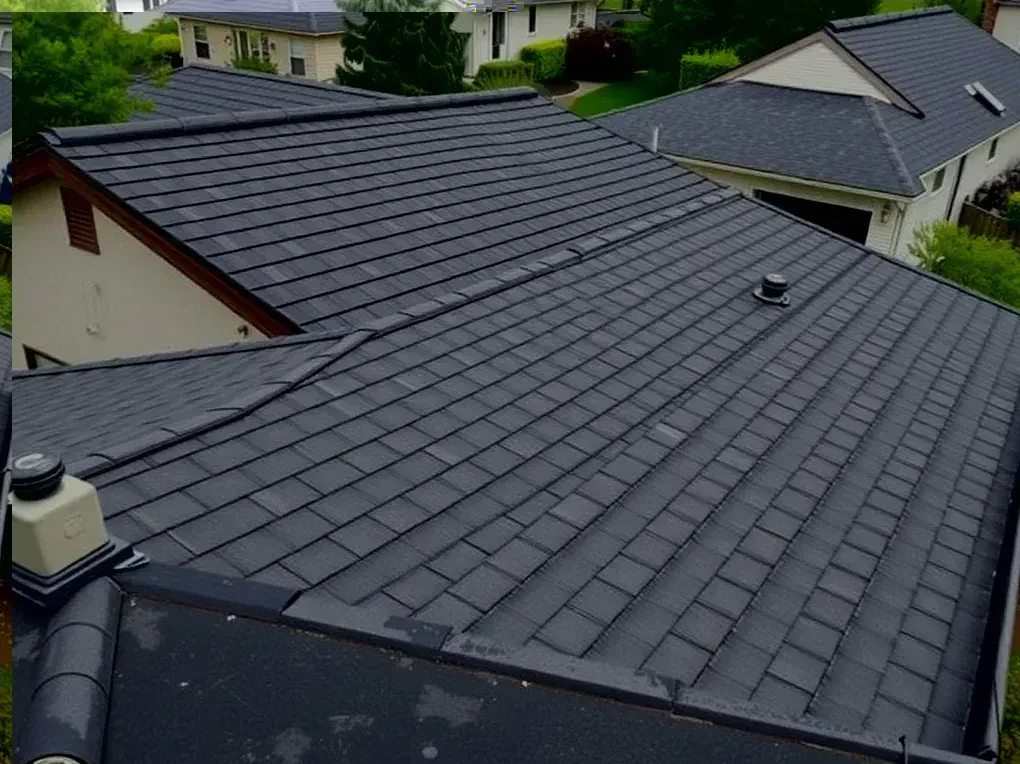
- Fresh drip edge runs the rake and eave edges, and step flashing and counter-flashing are reset against walls and the chimney.
- A starter course launches the layout, and staggered field courses keep wind uplift from finding a straight seam.
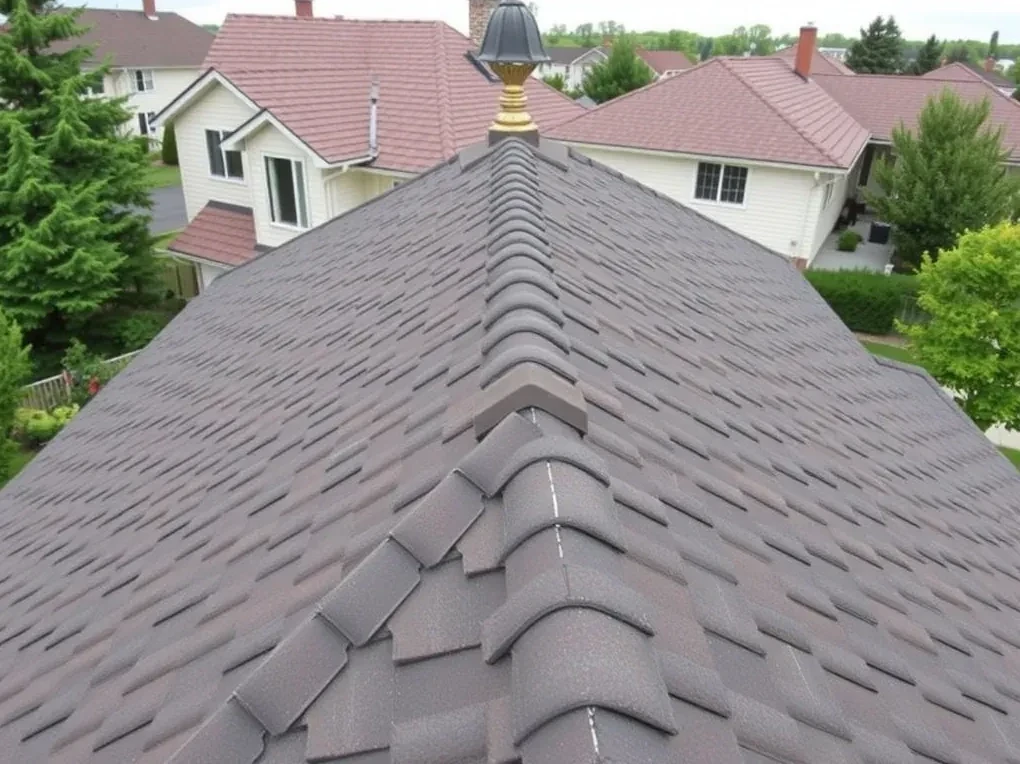
- A ridge vent caps the peak while soffit vents pull air through the attic and keep the deck dry.
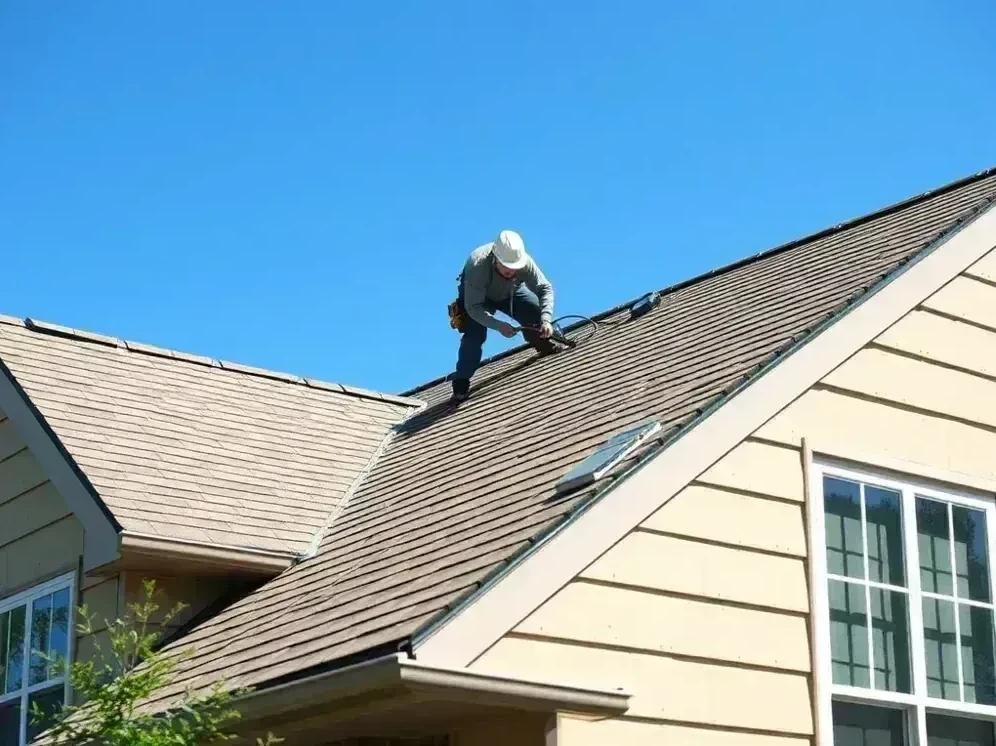
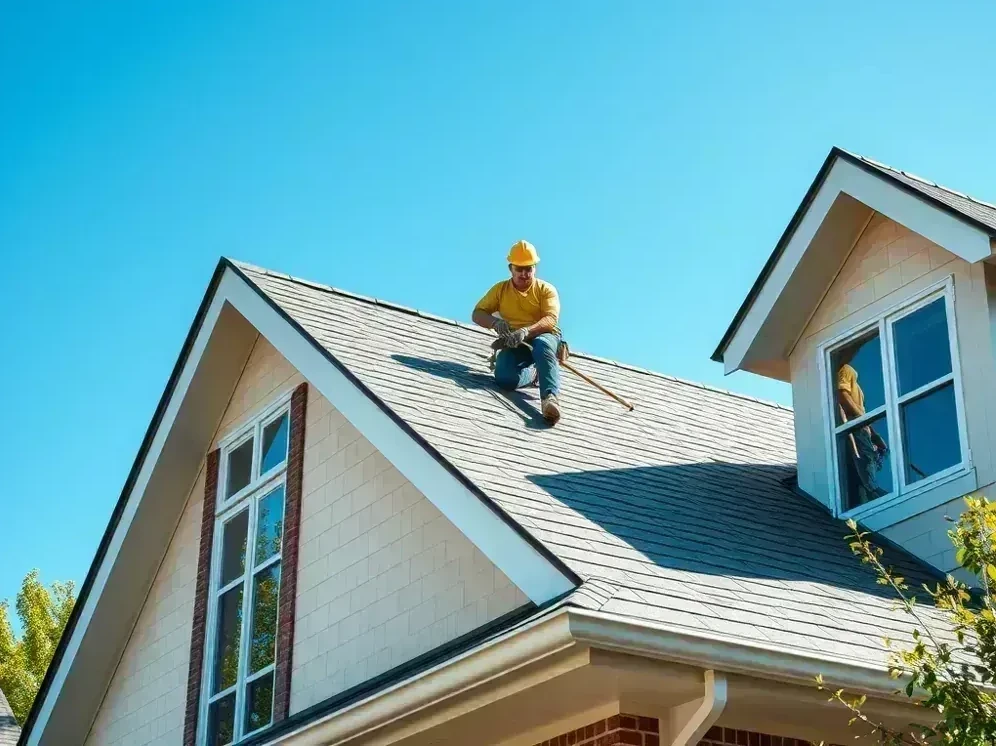
Out front, a dumpster holds the debris. Up top, the crew works off a ladder and scaffold in a safety harness, driving ring-shank nails with a nail gun and air compressor and squaring the layout with a roofing square.
Materials We Install and Why They Suit Houston Heat
Most homeowners here pick an architectural shingle, also called a dimensional or laminated shingle. It is thicker than a three-tab shingle and carries a higher wind rating.
- Architectural shingles such as GAF Timberline HDZ, Owens Corning Duration, and CertainTeed Landmark Pro are fiberglass-based, laminated, and heavily granulated for UV and algae resistance.
- Three-tab shingles still fit a shed or a tight budget, but their thinner profile and shorter exposure wear out faster in direct sun.
- Designer or luxury shingles give a heavier shadow line and deeper color range when the roofline should carry the house.
- Synthetic underlayment has replaced roofing felt and tar paper on most jobs because it resists tearing and does not soak up water.
- Outside asphalt, we install wood shake, cedar shake, slate, clay tile, concrete tile, and metal panel wherever pitch and framing allow.
What a Roof Inspection Checks on Your Rooftop
An honest roof inspection happens on the rooftop and in the attic, not from the driveway. If a roofer quotes without climbing, that number is a guess.
- Granule loss and bare asphalt point to end-of-life wear; shingles curl and bruise before they finally let water in.
- Water that seeps past failing flashing wicks into the sheathing and erodes the roof deck, which ends in rot and decay.
- Ridges that sag or settle usually mean moisture has been sitting on the decking, rafters, trusses, joists, or ridge beam.
- Pipe flashing and pipe boots crack under UV, and a vent boot or the mastic and roof cement patched around it peels away.
- Step flashing, apron flashing, and chimney flashing get checked, along with the valley, rake, verge, hip, and gable lines.
- Ventilation matters too: a clogged soffit vent, a dead attic fan, thin insulation, or a missing vapor barrier traps heat and moisture.
Details We Refit Instead of Covering Up
Plenty of houses here have one weak detail, not a whole failing roof. We mend the detail and reseal the rest.
- Chimney flashing, apron flashing, and boot flashing are rebuilt with fresh sealant and caulk, not smeared over with tar.
- A skylight or dormer adds flashing detail, and those are the first spots water finds on a hard rain.
- Gutter and downspout runs get re-pitched and anchored with new screws, and we check the overhang, soffit, and fascia while the ladder is up.
- Roof cement and mastic are fine for a small repair; adhesive under a membrane does the real waterproofing and weatherproofing.
- We roof every shape: a plain gable, a steep mansard, a gambrel, or a small canopy or awning over a back door.
Houston Weather, Cost Drivers, and Timelines
Gulf humidity and afternoon thunderstorms are hard on shingle roofing. Wind-driven rain pushes at flashing and ridge cap, and UV heat cooks the south slope all summer.
- Hurricane-force winds off the Gulf test fastener patterns, so we set six nails per shingle in the field and ring-shank nails along the perimeter.
- Roof pitch changes everything. A low-slope section may need a peel-and-stick membrane instead of shingle, and steep pitches add labor hours.
- Cost drivers are simple: square footage measured in roofing squares, layers to tear off, decking damage, and shingle grade.
- Most single-family asphalt roofs get torn off and dried in quickly, with the full job finished in a few days when weather cooperates.
- We pull the permit and follow local building code on nail placement, flashing height, underlayment lap, and ventilation before we call the job done.